
WELCOME BONUS 300%
UP TO €2000 + 100
FREE SPINS
UP TO €2000 + 100
FREE SPINS
Home → Blackjack
Blackjack at Fireball Casino: Variants, Rules and Payouts
Highroller from 500 EUR per hand
Lightning Blackjack sets a maximum bet of 2,500 EUR for high-rolling participants. This limit is five times higher than the 500 EUR threshold required to qualify for this specific tier. That capacity allows players to place wagers that exceed standard table limits by a factor of five.
Quantum Blackjack Plus Live extends the maximum stake further to 5,000 EUR per hand. This upper bound is double the ceiling established by Lightning Blackjack for high rollers. Consequently, players with larger bankrolls can allocate significantly more capital to single rounds.
Blackjack Party restricts the maximum wager to 1,000 EUR across two moderators. This cap is half the amount permitted in Quantum Blackjack Plus Live. Players seeking ultra-high stakes must therefore avoid this specific variant.
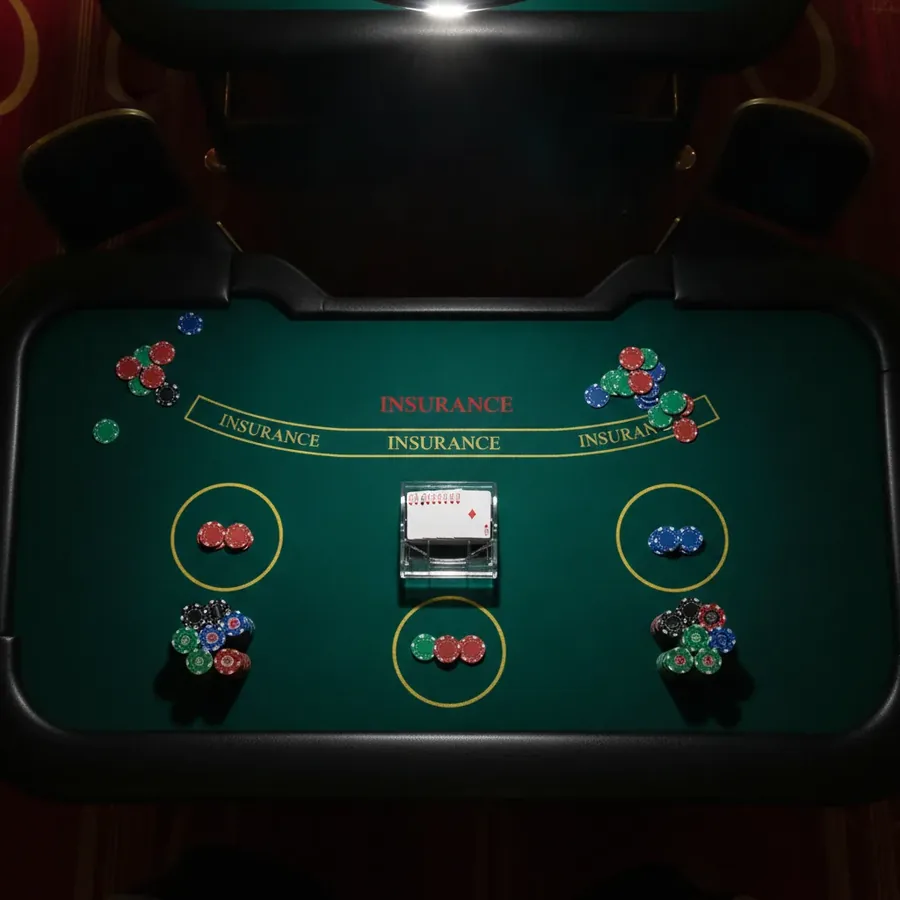
Side Bet Every Round: Budget Lasts 30 Rounds
Blackjack Insurance costs up to 50% of the main wager and pays out at 2:1 odds. A 50 EUR insurance bet yields a 100 EUR profit if the dealer holds blackjack. This payout structure defines the immediate return on the side bet component.
The house edge for Blackjack Insurance stands at 7.47% due to its separate nature. This margin is significantly steeper than the 0.15% advantage found in single-deck blackjack games. The statistical disadvantage reduces long-term retention of the betting budget.
Insurance strategy dictates rejection unless card counting reveals a True Count of +3 or higher. Base strategy explicitly advises against taking this side bet under normal conditions. Adhering to this rule preserves the integrity of the overall bankroll management plan.
When can you increase your bet?
Players may double their stake after receiving their initial two cards in most variants. This action requires matching the original wager, effectively increasing the total investment by 100%. The move is strictly limited to the moment immediately following the deal.
Double After Split (DAS) permits raising the bet on newly created hands from split pairs. This option improves the Return to Player rate by approximately 0.14 percentage points compared to restricted doubling. It expands the strategic toolkit available during complex multi-hand scenarios.
Resplitting Aces allows players to create additional hands if an Ace is paired again. This rule enhances the RTP by roughly 0.08 percentage points relative to non-resplit rules. It provides extra opportunities to maximize returns when drawing low-value cards.
Chose Wrong Table for 5 EUR Bankroll
Single-deck blackjack typically offers a house edge of only 0.15% with perfect play. However, many versions compensate by reducing payouts from 3:2 to 6:5 ratios. This change increases the house advantage to 1.85%, which is over twelve times higher than the ideal scenario.
A 6:5 payout structure costs 120 EUR on a 100 EUR blackjack instead of 150 EUR. This discrepancy represents a direct loss of 30 EUR per winning hand compared to fair tables. Such reductions severely impact the longevity of a small 5 EUR bankroll.
Liberal Vegas Strip rules maintain the favorable 3:2 payout alongside S17 and DAS. These conditions yield a house edge of just 0.28%, preserving the value of small bets. Selecting this variant ensures the bankroll survives longer than on compromised tables.
Insurance Pays 2:1 Yet Still Costs Money
Blackjack Insurance offers a 2:1 payout if the dealer reveals a ten-value card under the hole card. Despite this attractive ratio, the underlying probability favors the casino significantly. The statistical reality creates a persistent drain on the player's funds over time.
The house edge for this side bet sits at 7.47% for six to eight deck games. This figure dwarfs the 0.46% advantage found in standard 6-deck Liberal Vegas Strip rules. Accepting insurance regularly erodes the bankroll much faster than standard gameplay losses.
Even with a single deck, the house edge remains high at approximately 5.88%. This cost persists regardless of the slight reduction in deck count compared to multi-deck shoes. Strategic avoidance of this bet remains the only method to prevent unnecessary financial erosion.
Blackjack variants at a glance
| Variant | Payout | House edge | Rule | Bet range |
|---|---|---|---|---|
| Blackjack Insurance / Versicherung (6–8 Decks) | 92.53% | 7.47% | Separate Nebenwette bis 50% der Hauptwette, wenn der Dealer ein Ass hat. Basisstrategie schreibt IMMER Ablehnung vor (außer Karten zählen bei True Count ≥ +3). Bei einem Deck Vorteil ≈ 5.88% | Insurance 2:1 |
| Blackjack Split / Double / H17 – Regel-Effekte | n.a. (Regel-Modifikatoren) | H17 +0.22 Prozentpunkte; RSA −0.08 Prozentpunkte; DAS −0.14 Prozentpunkte | Dealer Hits Soft 17 verschlechtert RTP um 0.22 Prozentpunkte; Resplit Aces verbessert um 0.08 Prozentpunkte; Double After Split verbessert um ca. 0.14 Prozentpunkte; 6 Decks statt 8 – ca. 0.02 Prozentpunkte. | Double – Einsatz ×2 mit einer Karte; Split – bis 4 Hände; Ass-Split meist mit einer Karte. |
| Blackjack Ein Deck, klassische Regeln, 3:2 | 99.85% | 0.15% | Weniger Decks = niedrigerer Vorteil; ein Deck gibt ca. −0.48 Prozentpunkte gegenüber 8 Decks. Oft durch 6:5 Auszahlung kompensiert. | Blackjack 3:2, Gewinn 1:1 |
| Blackjack 6 Decks, S17, DAS, DOA, Auszahlung 3:2, Basisstrategie | 99.54% | 0.46% | Dealer steht auf Soft 17; Verdopplung auf jeder Zweierkarte; Verdopplung nach Split erlaubt; keine Aufgabe. Basisstrategie ist für diesen Wert zwingend | Blackjack 3:2, normaler Gewinn 1:1, Insurance 2:1 |
| Blackjack Auszahlung 6:5 statt 3:2 (6 Decks) | 98.15% | 1.85% | Ersatz von 3:2 durch 6:5 fügt exakt +1.39 Prozentpunkte zum Vorteil des Casinos hinzu – stärker als jede andere Regeländerung. Bei $10 Einsatz zahlt Blackjack $12 statt $15. | Blackjack 6:5, Gewinn 1:1 |
| Blackjack Liberal Vegas Strip (liberale Regeln, 3:2) | 99.72% | 0.28% | Günstigste Regelkombination: S17 + DAS + Resplit + Late Surrender. Standardabweichung 1,15 | Blackjack 3:2, Gewinn 1:1 |
Which rule variants does the software show?
The platform offers Blackjack Liberal Vegas Strip featuring a 99.72% RTP and a 0.28% house edge. This variant applies liberal rules including S17, DAS, Resplit, and Late Surrender to achieve one of the lowest statistical advantages for players. Users gain a mathematical edge over standard configurations by adhering to optimal strategy.
A standard 6-deck configuration with S17, DAS, DOA, and 3:2 payouts provides a 99.54% RTP and a 0.46% house edge. This setup requires strict adherence to basic strategy to maintain the stated theoretical return. The absence of surrender options increases variance compared to the Liberal version.
Blackjack Auszahlung 6:5 replaces the traditional 3:2 payout in six-deck games, altering the expected value significantly. This specific rule adds exactly 1.39 percentage points to the casino's advantage, resulting in an 1.85% house edge. A $10 bet yields $12 instead of $15, reducing long-term profitability.
Place Side Bet before cards are dealt
Insurance is a side bet available when the dealer shows an Ace, paying 2:1 on a winning wager. This option carries a high house edge of 7.47% for 6-8 deck shoes, making it statistically unfavorable for most players. Basic strategy mandates rejecting this bet unless counting cards reveal a True Count of +3 or higher.
Lightning Blackjack introduces multipliers up to 25x on winning hands through Evolution's live table format. Players place bets between 1 and 2,500 EUR with no limit on participant count per round. The base game maintains a 99.56% RTP while offering volatile multiplier opportunities.
Quantum Blackjack Plus Live allows Quantum Multipliers up to 1,000x on three-card combinations totaling 21 points. Playtech operates this table with betting limits ranging from 1 to 5,000 EUR per hand. Optimal strategy preserves a 99.57% RTP despite the high-volatility side features.
Six Decks to Eight Decks in the Shoe
Single-deck blackjack offers a superior 99.85% RTP with a mere 0.15% house edge under classic rules. Fewer decks reduce the casino's advantage by approximately 0.48 percentage points compared to eight-deck shoes. Operators often offset this benefit by enforcing 6:5 payout ratios instead of 3:2.
Using six decks instead of eight improves the player's RTP by roughly 0.02 percentage points. This minor adjustment slightly lowers the house edge but remains negligible compared to payout structure changes. Most modern tables default to six-deck shoes for faster gameplay cycles.
Resplitting Aces improves the RTP by 0.08 percentage points in multi-deck variations. Allowing players to split aces into separate hands reduces the casino's statistical hold. This rule typically restricts additional hits on split aces to one card only.
What Hole Card Means at a Live Table
Live dealers operate without a hole card, checking for blackjack immediately after the initial deal. This procedural difference eliminates the risk of losing doubled bets when the dealer holds a natural. Players must rely on late surrender options to mitigate losses against potential dealer blackjacks.
Late Surrender allows players to forfeit half their bet after the dealer checks for blackjack. This rule improves the RTP by approximately 0.08 percentage points by capping maximum losses. Early surrender, which is far more valuable at -0.6%, is extremely rare in online environments.
Dealer Hits Soft 17 (H17) negatively impacts the RTP by adding 0.22 percentage points to the house edge. Tables where the dealer stands on soft 17 provide better odds for strategic players. This distinction is critical for calculating accurate win rates in live settings.
Bonus Lost Due to 10 Percent Contribution
Table games contribute only 10% toward the wagering requirement for the 300% welcome bonus up to €2,000. Slots contribute 100%, meaning blackjack play progresses the turnover target ten times slower than slot deposits. Players using blackjack to clear bonuses face significantly higher effective wagering loads.
A €1,000 bonus requires €40,000 in total turnover if played exclusively on slots meeting 100% contribution. Playing the same amount on blackjack necessitates €400,000 in actual wagers to satisfy the 10% weight. This discrepancy drastically increases the probability of violating terms before clearance.
Blackjack Party by Evolution falls under the 10% contribution category for bonus turnover calculation. Players engaging with party-themed tables incur the same slow progress rate as standard live blackjack. Converting the full €2,000 bonus via these tables demands excessive volume.
Check table limit before the first bet
The Lightning Blackjack table at Fireball Casino sets a minimum wager of 1 EUR and a maximum cap of 2,500 EUR for standard hands. This wide range accommodates both low-stakes players and high rollers seeking substantial action without hitting restrictive betting ceilings during regular play sessions.
Quantum Blackjack Plus Live expands the upper boundary significantly by allowing wagers up to 5,000 EUR per hand on its dedicated tables. Players utilizing this platform must verify their bankroll against these specific limits to ensure compliance with the maximum stake requirements defined by the software provider Playtech.
Blackjack Party operates within a more restricted financial window, capping bets at 1,000 EUR while maintaining a 1 EUR entry point. These distinct limits across different providers necessitate checking the specific game interface before placing any chip to avoid automatic rejection of higher stakes.
What Peek Means with a Dealer Ace
When the dealer shows an Ace, they immediately peek for a ten-value card underneath to determine if a natural blackjack exists before players act. This procedure prevents unnecessary insurance bets or surrender decisions when the dealer already holds a winning hand, streamlining the initial phase of every round effectively.
Insurance is a side bet paying 2:1 that costs half the original wager and becomes available only after this peek reveals a potential dealer blackjack. The house edge for this specific bet stands at 7.47 percent, making it statistically unfavorable for players who do not employ advanced card counting techniques at the table.
Standard rules dictate that players should always reject insurance unless the true count reaches plus three in multi-deck games using six to eight decks. This strategic advice minimizes long-term losses, as the baseline return to player percentage drops significantly to 92.53 percent when taking this optional wager regularly.
Six Card Charlie Pays Immediately with Six Cards
A Six Card Charlie rule awards an automatic win if the player draws exactly six cards without busting their hand total over twenty-one points. This specific condition overrides standard drawing rules, providing a unique payout opportunity that does not appear in all standard blackjack variants found across different casino platforms.
The base game RTP for the primary 6-Deck variant sits at 99.54 percent with a house edge of just 0.46 percent under optimal conditions. Implementing basic strategy is mandatory to achieve this theoretical return, as deviations increase the casino advantage and reduce the frequency of successful Six Card Charlie outcomes significantly.
Dealer standing on Soft 17 further improves player odds compared to dealers who hit soft seventeen, which adds 0.22 percent to the house edge. Allowing doubling after split and doubling on any two cards also contributes positively to the overall return, enhancing the value proposition for strategic players seeking favorable odds.
How much time is left for the decision?
Live dealer tables such as Quantum Blackjack Plus enforce strict time limits for player actions to maintain the pace of the broadcast stream. Missing these deadlines results in an automatic fold or default decision based on pre-set strategies, directly impacting the outcome of the hand regardless of actual player intent.
Standard RNG blackjack games typically offer generous timeframes for decisions since there is no live video feed constraining the flow of play. However, mobile users must be aware that slower network connections might introduce latency, potentially causing delays in registering taps on the virtual dealing shoe interface.
Bonus wagering requirements often restrict eligible games to slots contributing 100 percent, whereas table games like blackjack contribute only 10 percent toward turnover goals. This restriction means players must make many more hands to clear bonus funds, increasing exposure to the house edge over extended playing sessions.
Surrender vs Playing Out on 16 vs 10
Late Surrender allows players to forfeit half their bet after the dealer checks for blackjack but before taking other actions on the hand. This option reduces the house edge by approximately 0.08 percent, offering a mathematical escape route when facing strong dealer upcards like ten or ace.
Playing out a hard sixteen against a dealer ten carries a high probability of loss, often exceeding fifty percent depending on deck penetration. Without surrender, players must choose between hitting and risking busting or standing and likely losing to the dealer's final hand total drawn from remaining cards.
Comparing the expected value of surrendering versus playing out reveals that surrendering is superior in most scenarios against ten-valued upcards. Early surrender is even more valuable, reducing the house edge by up to 0.6 percent, though this rule variant remains extremely rare in modern online casino offerings.
Contact
Live - online chat
Banking







Providers










Fireball Casino 2026